
The Govee Water Sensor Manual is your essential guide to optimizing the smart water leak detection system. Designed for seamless integration into modern homes, this manual explores core functionalities such as dual sensor probes for enhanced accuracy, extended wireless range for reliable connectivity, and app-based customization for tailored alerts. Discover step-by-step setup instructions, calibration techniques, and maintenance tips to ensure uninterrupted protection against water damage. Whether monitoring a single area or scaling with multi-pack options, this manual empowers users to harness advanced features while addressing common challenges like sensitivity adjustments and ecosystem compatibility.
Key Features and Technical Specifications
The Govee Water Sensor offers dual sensor probes for rapid leak detection, a wireless range of up to 500 feet, and IP67 waterproof rating for durability. It operates via 2.4GHz Wi-Fi, integrates with Alexa/Google Home, and features a battery life of 12 months with low-power alerts. The device supports real-time monitoring via the Govee app, enabling users to track moisture levels and receive instant notifications. Available as a single unit ($15.99) or three-pack ($47.99), it balances affordability with scalable protection for homes and businesses.
Dual Sensor Probes for Enhanced Detection
The Govee Water Sensor utilizes dual sensor probes to deliver precise, multi-point leak detection. Unlike single-probe designs, this dual configuration allows for simultaneous monitoring of two distinct areas or surfaces, reducing blind spots and improving response time. The probes are engineered with corrosion-resistant materials to ensure longevity and reliability in diverse environments, such as under sinks, near water heaters, or around HVAC units. By detecting moisture at two independent points, the system minimizes false alarms caused by minor humidity fluctuations while maximizing accuracy for actual leaks. This feature is particularly beneficial in complex setups where water flow patterns may vary, such as sloped floors or uneven surfaces. The probes’ adjustable placement further enhances versatility, enabling users to tailor coverage based on specific risk zones. For instance, one probe can monitor a high-risk area like a washing machine, while the second guards against pipe leaks elsewhere. This dual approach ensures comprehensive protection, adapting to both localized and spreading leaks for proactive damage prevention.
Extended Communication Range and Connectivity
The Govee Water Sensor delivers an extended wireless communication range of up to 500 feet (line-of-sight), ensuring robust connectivity across multi-story homes, basements, or outdoor installations. This enhanced range leverages 2.4 GHz Wi-Fi and Zigbee protocols to maintain stable data transmission, even through walls or around interference-prone areas like appliances. By eliminating the need for proximity to the main router, users gain flexibility in placing sensors in high-risk zones without compromising alert reliability. The device employs adaptive signal optimization, dynamically adjusting transmission power based on environmental conditions to preserve battery life while sustaining a strong link. For larger properties, the sensor’s compatibility with mesh network systems ensures seamless integration, extending coverage without signal degradation. This advanced connectivity framework minimizes false disconnections and delays, providing real-time updates via the Govee App for immediate leak response. Whether monitoring a cramped utility room or a sprawling estate, the sensor’s resilient wireless performance guarantees uninterrupted communication, empowering users to address issues promptly from any location.
App Integration and Customizable Alerts
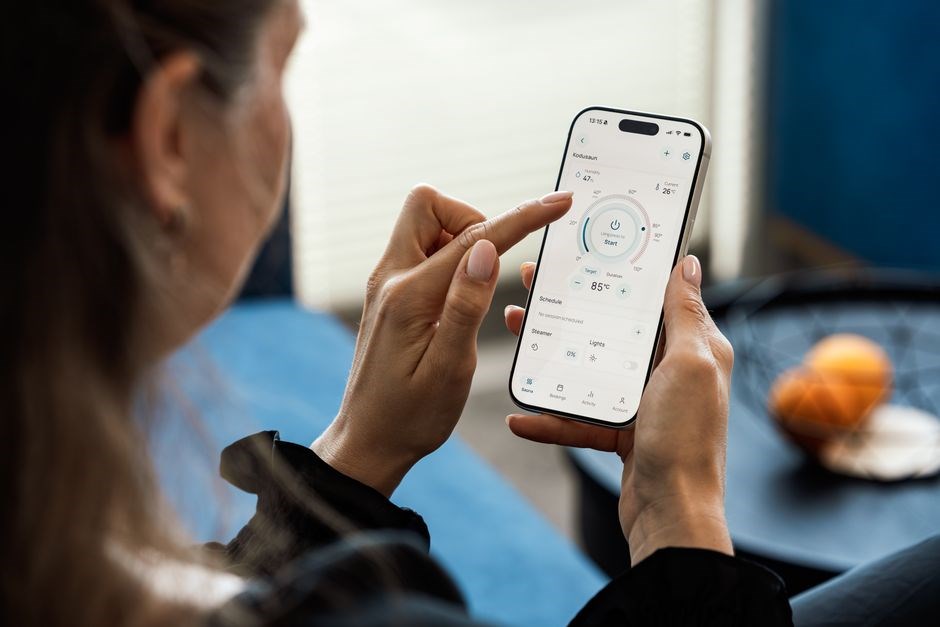
The Govee App serves as the central hub for real-time monitoring and personalized alert configurations, enabling users to tailor responses to water leaks based on their unique needs. Through the app’s user-friendly interface, users can adjust notification sensitivity, set custom alert thresholds for moisture or temperature changes, and select preferred notification channels such as push alerts, SMS, or email. Advanced features include geofencing integration, which silences alerts when the user is home, and scene-based automation that triggers linked devices like smart lights or sirens to enhance awareness. The app also supports multi-sensor management, allowing users to assign unique names and alerts to each sensor in a multi-pack setup. For shared living spaces, multi-user access ensures all household members receive critical updates, while activity history logs provide detailed insights into past detections. Integration with Govee’s ecosystem enables seamless coordination with smart lights, which can flash in response to leaks, offering a visual cue even when notifications are missed. The app’s adaptive learning algorithm refines alert accuracy over time by analyzing environmental patterns, reducing false positives. With cloud-based updates, the system continuously improves its functionality, ensuring users maintain full control over their water detection system from anywhere, at any time.
Pricing Options: Single Sensor vs. Multi-Pack
The Govee Water Sensor offers flexible pricing to suit diverse user needs, starting with the Single Sensor Unit at $15.99, ideal for monitoring small, specific areas like under sinks or near washing machines. For broader coverage, the Multi-Pack Option (priced at $47.99 for a three-sensor bundle) delivers significant cost savings, effectively reducing the per-unit price and enabling simultaneous protection across multiple zones such as basements, laundry rooms, and water heaters. The multi-pack is particularly advantageous for larger homes or properties requiring comprehensive surveillance, eliminating the need for separate purchases. Both options ensure access to the full suite of app features, including customizable alerts and integration capabilities, without tiered limitations. When scaling your setup, the multi-pack’s bundled pricing provides a more economical solution compared to buying sensors individually, while the single unit remains a budget-friendly entry point for minimal-risk environments. Always verify retailer offers for potential discounts or promotions that may further enhance value.
Optimal Placement for Maximum Effectiveness
Position the Govee Water Sensor in areas most susceptible to moisture, such as basements, laundry rooms, or near HVAC systems and plumbing fixtures. For surfaces like tile or concrete, ensure dual probes make direct contact to detect minor leaks. On uneven or porous materials (e.g;, carpet, wood), slightly adjust the sensor’s angle to maintain probe adhesion. Avoid placing the device in low-visibility corners or behind appliances where debris might obstruct detection. For multi-sensor setups, stagger units around the perimeter of high-risk zones to create overlapping coverage zones. Maintain at least a 3-foot distance from large metal objects or electrical panels to prevent signal interference. Use the Govee App to monitor real-time signal strength and adjust placement if connectivity drops below 80%. Elevate the sensor 1-2 inches above floor gratings or drains to balance early detection with reduced false alarms from minor condensation. Regularly reassess placement during seasonal changes, as temperature fluctuations may alter moisture patterns.
Step-by-Step Guide to App Pairing
To pair your Govee Water Sensor with the app, start by downloading the Govee Home application from the App Store or Google Play. Open the app and create an account or log in if already registered. Ensure your sensor is powered on and within 10 feet of your smartphone. Tap “+ Add Device” in the app, select “Water Sensor” from the list, and follow the on-screen prompts. Enable Bluetooth and Wi-Fi on your phone, then input your network credentials when requested. Press and hold the sensor’s reset button (if applicable) until the LED flashes blue. Wait for the app to detect the device—this may take 30-60 seconds. Once connected, name your sensor (e.g., “Basement Sensor”) and assign it to a room or group. Configure alert preferences, such as leak notifications or sensitivity thresholds, via the “Settings” menu. Test the pairing by simulating a leak (e.g., dampening the probes) and verify that alerts trigger correctly. If pairing fails, restart the sensor and repeat the process. For multi-sensor setups, repeat these steps for each unit, ensuring unique names for easy identification.
Adjusting Detection Thresholds for Different Surfaces
Surfaces like hardwood, tile, or concrete require unique detection threshold adjustments to ensure accurate moisture sensing. Porous materials (e.g., wood) demand lower sensitivity to detect faint dampness early, while smooth surfaces (e.g., tile) benefit from higher thresholds to ignore transient condensation. Use the Govee Home app to fine-tune settings via sliders or manual input, reflecting the material’s absorption rate and environmental exposure. For dual-sensor setups, calibrate each probe independently—adjust screw tightness or probe angle to maintain uniform contact. Avoid excessive sensitivity on uneven surfaces (e.g., grout lines) to prevent false triggers. Test thresholds during normal conditions (e.g., post-shower humidity) and iterate adjustments. Note that temperature fluctuations or surface wear may necessitate periodic recalibration. Avoid over-tightening probes on delicate materials to prevent damage. For multi-material installations (e.g., laundry rooms with mixed flooring), prioritize the most vulnerable surface’s requirements. Real-time feedback via the app helps validate adjustments, ensuring reliable alerts without compromising responsiveness.
Using the Mobile App for Real-Time Calibration
Leverage the Govee Home app to perform real-time calibration, ensuring your water sensor adapts instantly to environmental changes. Launch the app, select your device, and navigate to the Calibration Dashboard. Here, you can adjust sensitivity levels via intuitive sliders or manual input, observing immediate feedback on moisture detection. Use the Live Simulation Tool to mimic water presence (e.g., virtual drips) and test alert triggers without physical water. The app’s Threshold History graph displays past adjustments, aiding data-driven decisions. For precise tuning, enable Auto-Calibrate Mode, which analyzes surface conditions and recommends optimal settings. If connectivity dips, the app flags Signal Strength issues to prevent inaccurate readings. Always confirm adjustments by running the Validation Test, which checks sensor responsiveness post-calibration. Avoid overlapping calibration sessions for multiple sensors to prevent data conflicts. Note that real-time adjustments may vary with temperature or humidity—use the Environmental Compensation feature to auto-adjust for such factors. Save settings only after verifying stability to avoid false alarms. This method ensures your sensor remains finely tuned to your unique setup, minimizing unnecessary alerts while maximizing leak detection reliability.
Maintenance and Troubleshooting
Regularly clean sensor probes with a dry cloth to prevent debris buildup. Check battery status monthly via the app and replace if below 20%. If connectivity drops, restart the sensor and verify placement within 100ft of the hub. For false alarms, adjust sensitivity in-app or reposition away from non-threat moisture. If unresponsive, reset via the app’s Troubleshoot Mode. Avoid metal surfaces or electronics that cause interference. Update firmware regularly for optimal performance. Contact Govee Support for unresolved issues.
Cleaning and Upkeeping the Sensor Probes
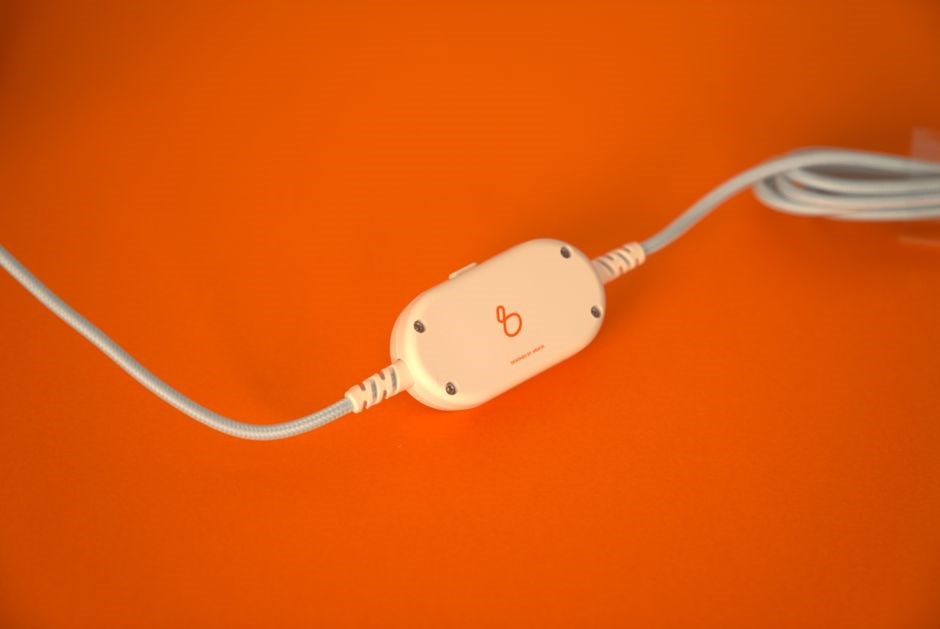
Regular maintenance ensures long-term accuracy and prevents false alerts. Gently wipe probes weekly with a dry microfiber cloth to remove dust or residue. For stubborn debris, dampen the cloth slightly with distilled water—avoid chemicals or abrasive materials that may damage sensitivity elements. If exposed to harsh chemicals (e.g., pool cleaners), rinse probes with clean water immediately. Inspect for corrosion monthly, especially in humid environments, and dry probes thoroughly after cleaning. Avoid submerging probes intentionally; they are water-resistant (IP67) but not designed for prolonged immersion. Store spare probes in a cool, dry place away from direct sunlight. For thorough cleaning, use a soft-bristled brush to clear tiny particles between probe tines. Pair maintenance with firmware updates via the Govee app to sustain peak performance. If probes appear discolored or etched, consider replacement to maintain reliable leak detection.

Resolving Connectivity Issues and False Alarms
To address connectivity problems, first ensure the sensor is within 100 feet of the hub and obstacles are minimized. Restart the hub and sensor by removing and reinserting the battery. Verify Wi-Fi bandwidth: the Govee app requires a 2.4GHz network (5GHz is unsupported). Check for router interference from nearby devices (e.g., microwaves, cordless phones). If issues persist, update firmware via the app’s “Device Settings” menu. For false alarms, adjust sensitivity in the app to ignore minor moisture (e.g., humidity or condensation). Ensure probes aren’t touching non-water liquids (e.g., cleaning agents) or improperly placed near drains. Calibrate the sensor by temporarily moving it to a dry area, then reset detection thresholds; Review app alert history to identify patterns (e.g., scheduled plumbing that triggers temporary leaks). If errors persist, perform a factory reset (hold the sensor’s button for 10 seconds) and re-pair. Contact Govee support if connectivity remains unstable after troubleshooting.
Compatibility with Smart Home Ecosystems
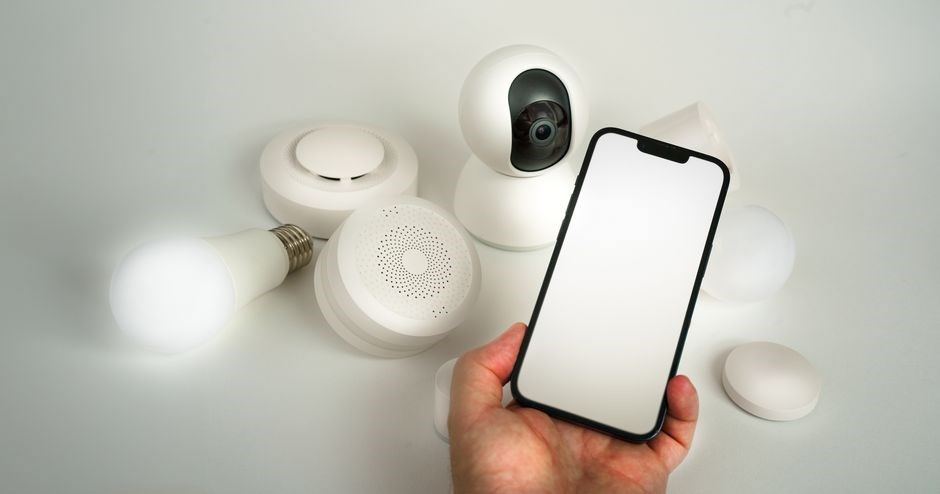
The Govee Water Sensor integrates seamlessly with major smart home platforms, including Alexa, Google Home, and IFTTT, enabling voice control and automated workflows. It syncs with Govee lights to trigger visual alerts during leaks, enhancing situational awareness. Compatibility extends to third-party hubs and security systems, allowing unified management via 2.4GHz Wi-Fi. Users can customize scenes (e.g., activating pumps or alarms) through the app, ensuring coordinated responses. Regular firmware updates via the Govee app maintain cross-platform functionality, while API support allows advanced integrations for tech-savvy users. This adaptability ensures the sensor complements existing smart ecosystems, from basic setups to complex automations.
Third-Party Platform Support (Alexa, Google Home)
The Govee Water Sensor offers robust integration with Alexa and Google Home, enabling hands-free monitoring and automation. Users can voice-command Alexa to query leak status (“Is there water detected in the basement?”) or trigger routines like activating pumps or alarms. Google Home users benefit from similar functionality, with real-time updates via Google Assistant. Setup involves linking the Govee account to the respective platform within the app, ensuring 2.4GHz Wi-Fi compatibility. For advanced control, customize scenes (e.g., “Flood Alert” mode) to synchronize with smart lights, locks, or speakers. Note that response times may vary due to network conditions, and firmware updates via the Govee app are critical for maintaining seamless interoperability. Troubleshooting tips for platform-specific connectivity issues, such as re-linking accounts or restarting hubs, are detailed in the manual.
- Alexa: Supports “Check Water Sensor” and “Turn on Alerts” voice commands.
- Google Home: Enables “Notify me if water is detected” automations.
- Limitations: Complex multi-device routines may require IFTTT (If This Then That) integration.