
Trumpet studies PDFs offer concise, portable learning tools, enabling players to practice repertoire, technique, and theory on the go․ They combine sheet music with clear instructions, making self‑paced study efficient and accessible for beginners and advanced musicians alike․ Ideal for solo and group practice
Benefits of Using PDF Resources for Trumpet Players
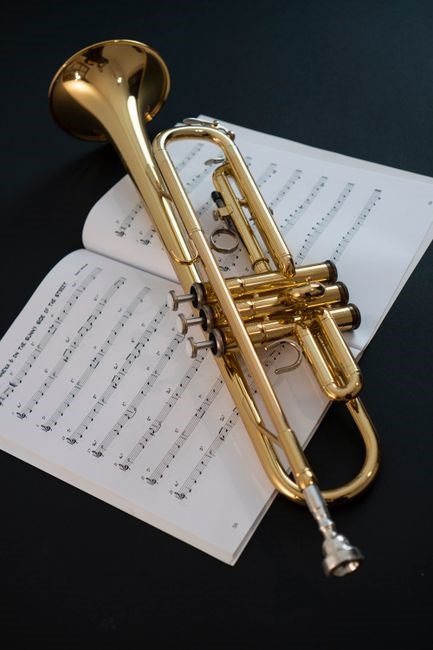
PDF resources for trumpet studies offer a flexible, cost‑effective, and environmentally friendly way to access a wide range of repertoire and technical exercises․ Because they are digital, you can carry an entire library on a smartphone or tablet, making it possible to practice during commutes, flights, or waiting rooms․ This portability turns idle moments into productive rehearsal time and eliminates the need for bulky paper scores․ Many publishers provide free or low‑priced PDF collections, which lowers the financial barrier for students and teachers alike․ The ability to zoom, print, or annotate directly on the screen allows for instant customization; you can add personal markings, tempo notes, or dynamic indications without reprinting the entire score․ Searchability is another major advantage: you can quickly locate a specific passage or technique by typing a keyword, which speeds up targeted practice sessions․ In addition, many PDF sets are paired with audio or MIDI files, giving you aural references that help with tone shaping, intonation, and rhythmic accuracy․ The option to loop sections, adjust playback speed, or listen to multiple takes enhances learning efficiency․ For educators, PDFs can be shared instantly with students, ensuring consistent material distribution across different locations and fostering collaborative learning․ Finally, the digital format supports accessibility features such as screen readers and adjustable font sizes, making trumpet studies more inclusive for players with visual impairments․ Overall, trumpet studies PDFs combine convenience, affordability, and versatility, empowering musicians to refine technique, expand repertoire, and maintain disciplined practice routines wherever they go․
Because the files are lightweight, you can store hundreds of studies on a single device, freeing up physical space and allowing quick retrieval during rehearsals․ The ability to share links with peers or instructors also facilitates collaborative projects and remote coaching sessions․

Popular Types of Trumpet Studies PDFs
Common PDF collections feature warm‑up drills, sight‑reading challenges, and advanced technique studies․ Each type targets specific skills: flexibility, rhythmic precision, and expressive control enabling players to progress systematically․ Also boosts practice focus
3․1 Warm‑up and Technical Studies
Warm‑up and technical studies are the backbone of any trumpet practice routine․ They focus on articulation, tone production, range expansion, and endurance, preparing the player for more demanding repertoire․ A typical PDF collection in this category includes scales, arpeggios, lip‑slurs, and tonguing exercises, each annotated with tempo markings and dynamic suggestions․ By starting each session with a structured warm‑up, musicians reduce the risk of injury and build muscle memory․ Technical studies often progress in difficulty, from simple single‑note runs to complex multiphonics and rapid key changes․ The PDF format allows for easy printing, bookmarking, and digital annotation, so players can highlight challenging passages or add personal notes․ Many resources also incorporate rhythmic patterns and rhythmic subdivisions, helping develop a solid sense of pulse and timing․ Consistent use of these studies improves intonation, breath control, and overall technical confidence․ Whether a student is preparing for auditions or a professional is refining technique, warm‑up and technical studies provide a reliable foundation for sustained growth․
These studies are often organized by difficulty level, allowing players to progress from basic scales to advanced multiphonics․ The PDF format supports annotations, allowing musicians to mark tempo changes, dynamics, and articulation nuances․ Consistent use builds a solid technical foundation, improving tone quality and endurance․
Practice daily to see measurable gains weeklnow․
3․2 Sight‑reading and Ear Training Studies
Developing sight‑reading and ear‑training skills is essential for trumpet players who want to navigate new repertoire quickly and perform with confidence․ PDF collections in this niche typically feature short, graded pieces that emphasize rhythmic accuracy, key‑signature recognition, and melodic contour․ Each study is accompanied by a printed key‑signature chart, a rhythmic grid, and a set of interval‑identification prompts, allowing the student to practice both visual and aural skills simultaneously․ The layout often includes a “play‑and‑listen” section where the musician records a short excerpt and compares it to a reference track, fostering critical listening and self‑evaluation․ Many PDFs also provide a “play‑along” track in a separate audio file, enabling the player to develop a sense of ensemble timing and intonation against a backing groove․ By integrating these resources into daily practice, players can systematically improve their ability to read unfamiliar music at first glance, reduce performance anxiety, and build a versatile musical vocabulary․ The digital format allows for quick bookmarking of challenging measures, and the ability to annotate tempo changes or articulation marks directly on the sheet․ Consistent use of sight‑reading and ear‑training studies not only sharpens technical proficiency but also enhances musicality and interpretive insight, making the trumpet a more expressive instrument in any setting․ These PDFs also often include a metronome setting guide, allowing players to adjust tempo incrementally and develop a refined sense of rhythmic precision, which is invaluable during ensemble rehearsals and solo performances․ By consistently engaging with these sight‑reading and ear‑training PDFs, musicians cultivate a habit of listening, precise articulation, and adaptive tempo control, ultimately leading to more confident and expressive trumpet playing․
3․3 Advanced Technique Studies
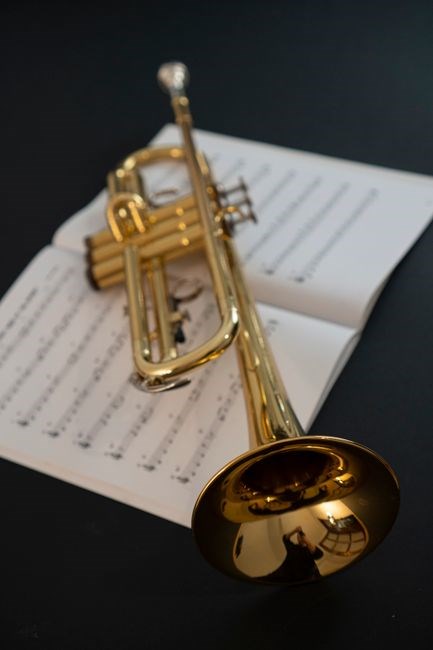
Advanced technique studies PDFs push trumpet players beyond basic scales and arpeggios, offering intricate passages that demand mastery of articulation, multiphonics, and extended range․ These documents are structured in progressive levels, each focusing on a specific challenge: rapid tonguing, wide interval leaps, or high‑register endurance․ The PDF format allows embedded audio clips for each study, enabling the learner to hear the intended sound before attempting it․ Annotated fingerings and dynamic markings guide the player through complex passages, while tempo rubrics suggest gradual increases to build stamina safely․ Many advanced PDFs also include a “practice log” section where musicians can record tempo, accuracy, and personal notes, fostering reflective practice․ The visual layout often features a side‑by‑side comparison of the written part and a simplified “sight‑reading” version, helping the player internalize the structure before tackling the full technical demands․ By integrating these studies into a structured routine, players develop a heightened sense of control over embouchure, breath support, and vibrato, essential for expressive performance in contemporary and classical repertoire․ The digital nature of PDFs means that students can instantly search for specific techniques, bookmark directly on the sheet, and annotate directly on the sheet, making the learning process both efficient and adaptable to individual progress․ Consistent engagement with advanced technique studies cultivates resilience, precision, and a deeper understanding of the trumpet’s expressive possibilities, preparing musicians for demanding solo parts, orchestral excerpts, and improvisational contexts tr
Finding Reliable Sources for Trumpet Studies PDFs
Finding reliable trumpet studies PDFs involves a mix of research, community advice, and technical checks․ Start by visiting reputable music publishers and university libraries; many offer free, professionally edited downloads․ Look for clear page numbers, correct key signatures, and consistent notation—these are signs of quality․ Next, use online forums, teacher networks, and social media groups where experienced players share vetted resources․ Files hosted on well‑known platforms such as IMSLP, Musopen, or institutional archives are less likely to contain piracy or errors․ Examine the PDF’s metadata and file size; legitimate scores usually range from 200 KB to 2 MB and contain embedded fonts․ Open the file on different devices, zoom in on the staves, and check for hidden layers or annotations that could interfere with playback․ A well‑crafted PDF should display cleanly on both desktop and mobile, and any accompanying audio or MIDI files should sync correctly․ Keep a log of each source—URL, publisher, and download date to avoid copyright issues and build a personal reference library․ By combining publisher credibility, community validation, technical scrutiny, and diligent record‑keeping, you can assemble a trustworthy collection of trumpet studies PDFs that support steady progress and artistic growth․ Additionally, verify that the PDF includes proper tempo markings and dynamic indications, as these guide expressive playing․ Some advanced studies provide tempo rubrics that gradually increase, helping you build endurance safely․ If the file contains embedded audio, listen to ensure the articulation matches the notation․ Finally, consider using annotation tools to highlight difficult passages, making review sessions more efficient․ Over time, a curated set of PDFs will become a valuable resource for ensemble preparation․ Remember to review each study regularly to reinforce muscle memory and ensure consistent improvement․ Consistency is key․ Keep it up․ Practice daily, and let the music guide your growth․ Stay focused, stay patient, and enjoy every note․ Keep pushing forward! You will succeed․!!!․
How to Effectively Use Trumpet Studies PDFs in Practice
Use a timer, set short goals, and focus on one passage at a time․ Annotate tempo changes, mark difficult phrases, and practice slowly before increasing speed․ Review recordings to catch mistakes and track progress․ Stay patientfocus, enjoy every note․
5․1 Structuring Practice Sessions
Begin each session with a brief warm‑up, selecting a few short studies from your PDF collection that target the day’s focus․ Allocate fixed time blocks—e․g․, 10 minutes for technical drills, 15 for sight‑reading, 20 for full‑piece rehearsal․ Use a stopwatch or timer to keep each segment on schedule, ensuring you don’t linger too long on a single passage․ After completing a study, pause to listen critically; compare the playback with the score, noting any discrepancies in tone, rhythm, or articulation․ Mark these areas directly on the PDF using a highlighter or digital annotation tool for quick reference later․ Rotate studies systematically: start with the most challenging sections, then move to easier material before tackling the whole piece․ Incorporate short breaks every 30 minutes to prevent fatigue and maintain focus․ End the session by reviewing progress: jot down what was mastered, what needs more work, and set a concrete goal for the next practice․ Consistency, clear structure, and reflective review turn raw PDF studies into measurable growth․ By applying this structured approach, you’ll notice incremental improvements in tone, agility, and confidence, allowing you to tackle increasingly complex repertoire with ease․ Remember to review annotations weekly, adjust tempos, and use metronome drills for rhythmic precision․ Finally, schedule regular performance recordings to objectively assess phrasing and dynamic control, ensuring your growth translates into expressive playing․ With practice,very now structure, you’ll master the trumpet’s technical demands and unlock artistic possibilities․
5․2 Incorporating Visual Aids and Annotations
When working with trumpet studies PDFs, visual cues become powerful allies․ Start by overlaying color‑coded markers that differentiate technical sections—blue for articulation, green for dynamics, red for rhythmic challenges․ Digital PDF readers allow you to attach sticky notes directly to measures; use them to jot quick reminders like “check embouchure” or “adjust vibrato․” For complex passages, draw arrows or circles around key intervals, turning abstract theory into tangible shapes․ If you prefer physical copies, print the score and use a high‑lighter or colored pens to replicate the digital scheme․ This dual‑mode approach reinforces memory through both sight and touch․ Embed small diagrams next to problematic passages: a mouth‑shape sketch for tone production, a hand‑position chart for valve combinations, or a waveform snapshot to illustrate dynamic contour․ These annotations act as instant reference points, reducing the need to flip between the score and a separate textbook․ When reviewing progress, revisit the annotated PDF; the visual trail guides you back to previously identified issues, ensuring consistent focus․ Share your annotated PDFs with a teacher or peer; collaborative feedback often uncovers new insights, allowing the visual system to evolve․ By integrating color, symbols, and diagrams, you transform static sheet music into an interactive learning environment that accelerates mastery and deepens understanding․ Keep annotations concise—use abbreviations like “B” for breath, “P” for pitch, “V” for vibrato—to avoid clutter․ After each session, purge outdated notes and refresh the visual map, ensuring the PDF remains a clean, focused tool․ Consistent use of visual aids not only speeds up technical acquisition but also nurtures a deeper connection between the written score and the physical execution on the trumpet․
Common Mistakes and How to Avoid Them
While exploring trumpet studies PDFs, many players fall into familiar pitfalls that stall progress․ The first mistake is neglecting a structured warm‑up; jumping straight into the main piece often leads to tension and sloppy phrasing․ Second, over‑reliance on the PDF’s printed tempo markings can cause a rigid, mechanical approach; always cross‑check with a metronome and adjust for musical phrasing․ Third, ignoring the visual cues—such as dynamic symbols, articulation marks, and key‑signature changes—results in inconsistent tone and rhythm․ Fourth, failing to annotate the PDF with personal notes means missed opportunities for self‑reflection; a quick margin comment like “check embouchure” can save hours of trial and error․ Fifth, practicing without a clear goal or time‑boxing leads to aimless repetition; set a specific objective for each session, whether it’s a new arpeggio pattern or a challenging interval․ Sixth, neglecting to record or playback practice sessions prevents objective evaluation; use a simple recorder to catch subtle timing or intonation issues․ Seventh, relying solely on the PDF without supplemental ear‑training exercises limits musicality; pair sight‑reading with interval drills or chord‑recognition tasks․ Finally, not reviewing past mistakes and repeating the same errors can create a cycle of frustration․ To break this cycle, schedule a weekly review of annotated PDFs, compare progress, and adjust practice plans accordingly․ By addressing these common missteps, you transform a PDF into a study companion that accelerates mastery and deepens musical insight!
Tips for Progress Tracking and Goal Setting
Effective progress tracking turns abstract practice into measurable milestones․ Start by selecting a single, specific skill from a trumpet studies PDF—such as a 3‑octave arpeggio or a challenging tonguing passage—and assign a realistic time frame․ Record each session, noting tempo, dynamics, and any deviations․ Use a simple spreadsheet or a dedicated app to log dates, practice duration, and qualitative comments․ Set SMART goals: Specific, Measurable, Achievable, Relevant, Time‑bound․ For example, “Play the 12‑note scale in the PDF at 80 bpm with 95 % accuracy by the end of month 3․” Break larger objectives into weekly micro‑goals, and review them every Friday․ Visual aids help; create a progress chart that plots accuracy percentages or tempo improvements over weeks․ Celebrate small wins—such as a flawless first run of a difficult passage—to maintain motivation․ Adjust goals based on feedback; if a particular section remains stubborn, increase practice time or modify technique․ Keep a reflective journal beside the PDF, writing brief notes on what felt natural versus what required adjustment․ Finally, schedule a monthly “mastery check” where you play the entire study from start to finish, recording the result․ Compare this to the initial recording to quantify growth․ Consistent tracking, clear goal setting, and reflective practice transform a PDF into a dynamic roadmap for continuous improvement․ By integrating these tracking methods, you create a feedback loop that refines technique and ensures each daily practice session moves you closer to mastery turning effort into measurable progress․
and Further Resources
Trumpet studies PDFs serve as versatile tools that streamline learning, offering structured exercises, clear notation, and instant accessibility; By integrating them into a disciplined practice routine, players can systematically build technical proficiency, expand musical vocabulary, and cultivate aural acuity․ As you progress, continually revisit earlier studies to reinforce fundamentals and identify subtle improvements․ The cumulative effect of consistent, focused practice with these PDFs can transform a casual player into a confident, expressive performer ready to tackle concert repertoire and collaborative projects․ This approach also encourages mindset that translates into high performance excellence!
By using these tools and a clear goal‑oriented approach, you can maximize trumpet PDFs and accelerate musical growth daily practice․
- Online forums and communities dedicated to brass players, where members share PDFs and offer critiques․
- Educational websites that curate free and premium trumpet studies․
- Mobile applications that sync with PDF libraries․
- Professional workshops and masterclasses that focus on advanced techniques․
- Academic institutions offering structured trumpet curricula․
By leveraging these supplementary tools and maintaining a clear, goal‑oriented approach, you can maximize the benefits of trumpet studies PDFs and accelerate your musical development․
These PDFs also support ensemble playing by providing synchronized parts, enabling students to practice with peers and develop a sense of musical conversation․ Integrating them into group rehearsals enhances cohesion and confidence․