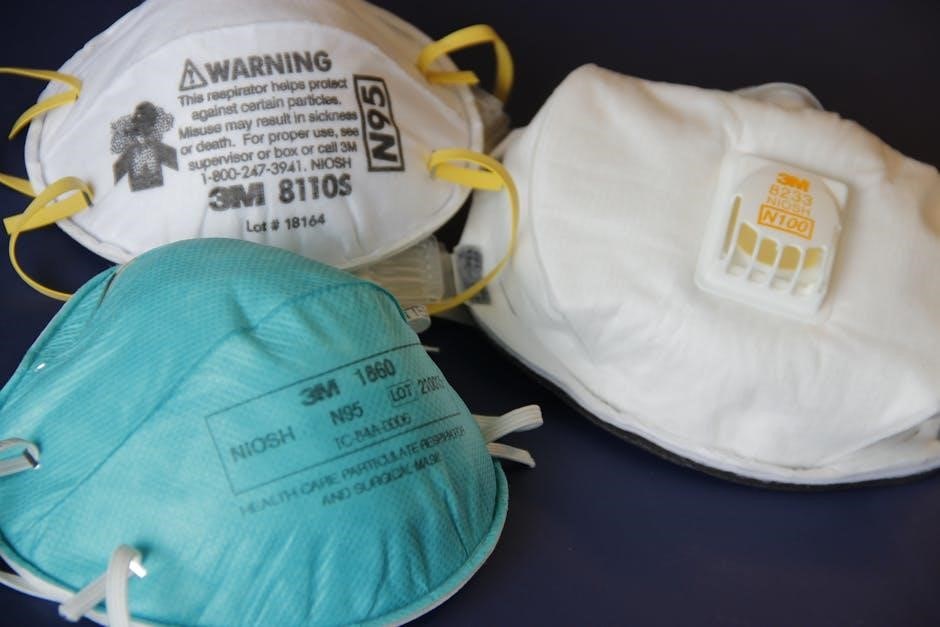
PDF filter elements are crucial for liquid clarification across industries‚ utilizing diverse media like polypropylene and glass fiber for optimal performance.

These filters‚ including pleated‚ string wound‚ and melt blown types‚ ensure efficient particle retention and fluid purity in various applications.
What are PDF Filter Elements?
PDF filter elements represent a diverse category of filtration solutions engineered to remove particulate matter and impurities from liquids. These elements‚ often constructed from materials like polypropylene‚ polyester‚ nylon‚ or glass fiber‚ are designed for a broad spectrum of industrial and commercial applications.
They come in various configurations‚ including pleated‚ string wound‚ and melt blown designs‚ each offering unique characteristics regarding flow rate‚ particle retention‚ and chemical compatibility. Accufit and Ultrafit welded filter bags exemplify these designs. Their core function is to enhance fluid clarity and protect downstream equipment‚ ensuring optimal process efficiency and product quality. They are vital components in systems requiring high-performance liquid filtration.
The Importance of PDF Filtration
PDF filtration is paramount across numerous sectors‚ safeguarding both processes and end-products. Effective filtration prevents damage to sensitive equipment‚ like pumps and nozzles‚ extending their lifespan and reducing costly downtime. Maintaining fluid purity is critical in pharmaceutical and food & beverage industries‚ ensuring product safety and compliance with stringent regulations.
Furthermore‚ high-quality filtration‚ utilizing elements like HEPA filters‚ improves overall system efficiency and reduces waste. Selecting the correct filter – considering micron rating and flow rate – directly impacts performance. From industrial processes to vital water systems‚ PDF filtration is not merely a step‚ but a necessity for reliable operation and quality control.

Types of PDF Filter Elements
PDF filter elements encompass pleated‚ string wound‚ melt blown‚ and activated carbon designs‚ each offering unique filtration capabilities for diverse liquid applications.
Pleated PDF Filter Elements
Pleated PDF filter elements maximize surface area within a compact design‚ enhancing dirt-holding capacity and extending filter life. Constructed with materials like polypropylene or polyester‚ they efficiently remove particulate matter from liquids.
Their pleated structure provides a large filtration area‚ resulting in lower pressure drops and higher flow rates compared to other filter types. These elements are commonly used in applications requiring high efficiency and long service intervals‚ such as industrial water treatment and pre-filtration stages. Available in various micron ratings‚ pleated filters cater to a broad spectrum of filtration needs‚ ensuring optimal fluid clarity and system protection.
String Wound PDF Filter Elements
String wound PDF filter elements are created by tightly winding continuous filament yarn around a core‚ forming a robust and cost-effective filtration solution. Typically utilizing polypropylene or cotton yarn‚ these filters excel at removing sediment‚ rust‚ and other particulate contaminants from liquids.
Their layered construction provides progressive density filtration‚ capturing larger particles in the outer layers and finer particles deeper within the wound string. String wound filters are widely used in water filtration‚ chemical processing‚ and various industrial applications where pre-filtration is essential for protecting downstream equipment and ensuring product quality.
Melt Blown PDF Filter Elements
Melt blown PDF filter elements are manufactured by extruding molten polymer fibers and collecting them on a rotating mandrel‚ creating a non-woven‚ highly porous structure. Predominantly made from polypropylene‚ these filters offer a large surface area for efficient particle capture and boast excellent chemical resistance.
Their randomly oriented fiber matrix provides absolute filtration‚ effectively removing particles across a broad size range. Melt blown filters are commonly employed in applications demanding high dirt-holding capacity‚ such as pre-filtration for RO systems‚ solvent filtration‚ and pharmaceutical processes‚ ensuring optimal fluid purity and system performance.
Activated Carbon PDF Filter Elements
Activated carbon PDF filter elements utilize the exceptional adsorption properties of activated carbon to remove contaminants beyond particulate matter. These filters excel at eliminating chlorine‚ volatile organic compounds (VOCs)‚ taste‚ and odor-causing substances from liquids‚ enhancing their quality and palatability.
Available in both granular and block formats‚ activated carbon filters are crucial in water purification‚ food and beverage processing‚ and pharmaceutical applications. They improve product clarity‚ protect downstream equipment‚ and ensure compliance with stringent quality standards. Regular replacement is vital to maintain adsorption efficiency and prevent contaminant breakthrough.

Filter Media Materials in PDF Filters
PDF filters employ materials like polypropylene‚ polyester‚ nylon‚ and glass fiber‚ each offering unique properties for diverse filtration needs and fluid compatibility.
Polypropylene (PP) Filter Media
Polypropylene (PP) is a widely utilized filter media in PDF filters due to its excellent chemical resistance‚ making it suitable for a broad range of fluids. It’s cost-effective and demonstrates good compatibility with acids‚ bases‚ and many organic solvents. PP media is commonly found in both pleated and melt-blown filter configurations‚ offering varying levels of filtration efficiency.
Its versatility extends to applications requiring moderate temperature resistance. While not ideal for extremely high-temperature environments‚ PP effectively handles many industrial processes. Spun-bonded polypropylene provides depth filtration‚ capturing particles throughout the media‚ while melt-blown PP offers finer filtration capabilities. This makes PP a popular choice for pre-filtration and general-purpose liquid filtration.
Polyester Filter Media
Polyester filter media distinguishes itself through superior temperature resistance compared to polypropylene‚ making it ideal for applications involving hotter fluids. It exhibits excellent resistance to abrasion and offers good chemical compatibility‚ though generally less broad than PP. Polyester is frequently employed in pleated filter designs‚ providing a large surface area for efficient filtration;
This media demonstrates strong dimensional stability‚ maintaining its integrity under pressure and temperature fluctuations. It’s often selected for applications where repeated cleaning or backwashing is required‚ as polyester holds up well to these processes. Polyester’s durability and performance characteristics make it a valuable option for demanding liquid filtration needs.
Nylon Filter Media
Nylon filter media stands out due to its exceptional strength and flexibility‚ making it suitable for applications requiring robust performance. It exhibits excellent resistance to a wide range of chemicals‚ including solvents and oils‚ surpassing many other filter media options. Nylon is often utilized in applications demanding high burst strength and resistance to tearing.
This media also demonstrates good temperature resistance‚ though typically not as high as polyester. Nylon filters are frequently chosen for filtering aggressive fluids or those containing particulate matter that could damage more delicate media. Its inherent properties contribute to extended filter life and reliable performance in challenging filtration environments.
Glass Fiber Filter Media
Glass fiber filter media provides exceptional particle retention capabilities‚ particularly for fine particulate removal‚ making it ideal for demanding filtration processes. It boasts high dirt-holding capacity‚ extending filter life and reducing the frequency of replacements. This media excels in applications requiring high flow rates and low pressure drops‚ ensuring efficient operation.
Glass fiber filters demonstrate excellent chemical compatibility with a broad spectrum of fluids‚ including corrosive substances. However‚ they may release trace amounts of fine particles initially‚ requiring pre-flushing in certain applications. Their robust construction and thermal stability make them suitable for high-temperature filtration needs.

PDF Filter Element Performance Characteristics
Key performance indicators include micron rating for particle retention‚ flow rate impacting pressure drop‚ chemical compatibility‚ and temperature resistance—all vital for optimal filtration.
Micron Rating and Particle Retention
Micron rating defines the smallest particle size a filter can reliably capture‚ directly influencing the purity of the filtered fluid. Lower micron ratings signify finer filtration‚ retaining smaller contaminants.
Effective particle retention is paramount in applications demanding high-quality output‚ such as pharmaceutical or food and beverage processing. Filter selection must align with the specific contaminant size distribution present in the fluid.
Understanding the relationship between micron rating and particle retention efficiency is crucial for optimizing filter performance and ensuring process integrity. Different filter media offer varying retention capabilities at specific micron levels.
Flow Rate and Pressure Drop
Flow rate‚ the volume of fluid passing through a filter per unit time‚ is a critical performance parameter. Higher flow rates are desirable for efficient processing‚ but they often correlate with increased pressure drop.

Pressure drop represents the resistance to flow caused by the filter media‚ impacting pump performance and energy consumption. Balancing flow rate and pressure drop is essential for optimal system operation.
Filter element design‚ including media type and pleat density‚ significantly influences both parameters. Careful consideration of these factors ensures adequate filtration without compromising system efficiency or causing undue strain on equipment.
Chemical Compatibility
Chemical compatibility is paramount when selecting PDF filter elements‚ ensuring the filter media resists degradation from the fluid being filtered. Incompatible materials can leach contaminants‚ compromise filter integrity‚ and lead to system failure.
Different filter media – polypropylene‚ polyester‚ nylon‚ and glass fiber – exhibit varying resistance to acids‚ bases‚ solvents‚ and oils. Thoroughly assessing the chemical composition of the fluid is crucial.
Selecting a filter material demonstrably compatible with the fluid prevents swelling‚ dissolution‚ or other adverse reactions‚ maintaining filtration efficiency and prolonging filter lifespan‚ ultimately safeguarding process quality.
Temperature Resistance
Temperature resistance is a critical factor in PDF filter element selection‚ particularly in industrial processes involving heated or cooled fluids. Filter media must maintain structural integrity and filtration efficiency across the operating temperature range.
Polypropylene generally performs well at moderate temperatures‚ while polyester and nylon offer broader compatibility. Glass fiber filters often withstand higher temperatures‚ making them suitable for demanding applications.
Exceeding a filter’s temperature limit can cause deformation‚ weakening‚ or even complete failure‚ compromising filtration and potentially damaging downstream equipment. Careful consideration of process temperatures is essential.

Applications of PDF Filter Elements
PDF filter elements are widely used in liquid filtration for industrial processes‚ water systems‚ pharmaceutical production‚ and the food & beverage industry.
Liquid Filtration in Industrial Processes
PDF filter elements play a vital role in maintaining process efficiency and product quality within diverse industrial settings. They effectively remove contaminants from liquids used in manufacturing‚ ensuring optimal performance of equipment and preventing costly downtime.
Applications span chemical processing‚ paint and coatings‚ and metalworking fluids‚ where precise filtration is paramount. Utilizing materials like polypropylene‚ polyester‚ and nylon‚ these filters accommodate varying fluid compatibilities and temperature requirements. The selection process considers micron rating‚ flow rate‚ and pressure drop to achieve desired purification levels‚ safeguarding both the process and the final product.
Water Filtration Systems
PDF filter elements are integral components in a wide range of water filtration systems‚ providing crucial purification for both potable and industrial water sources. They effectively remove sediment‚ particulates‚ and other contaminants‚ ensuring water quality meets stringent standards.
From pre-filtration for reverse osmosis systems to final polishing filters‚ diverse types like pleated and string wound elements are employed. Materials such as polypropylene and glass fiber offer varying levels of filtration efficiency and chemical resistance. Proper micron rating selection is key to removing specific contaminants‚ delivering clean and safe water for diverse applications.
Pharmaceutical Filtration
PDF filter elements play a critical role in pharmaceutical manufacturing‚ ensuring product sterility and purity throughout various stages of production. These filters are utilized for clarifying APIs (Active Pharmaceutical Ingredients)‚ sterilizing media‚ and removing particulate matter from final drug formulations.
String wound‚ melt blown‚ and specialized membrane filters are commonly employed‚ often constructed from materials like nylon or polypropylene‚ chosen for their chemical compatibility and low extractables. Maintaining strict adherence to ISO standards and rigorous quality control testing is paramount to guarantee filter integrity and prevent contamination‚ safeguarding patient safety.
Food and Beverage Filtration
PDF filter elements are essential in the food and beverage industry‚ ensuring product clarity‚ taste‚ and safety. Applications range from clarifying fruit juices and wines to removing microorganisms from water used in processing. Polypropylene and polyester media are frequently selected due to their compatibility with various food products and resistance to common cleaning agents.
Pleated and string wound filters are popular choices‚ effectively removing sediment‚ yeast‚ and bacteria. Maintaining sanitary conditions and complying with stringent industry regulations are crucial; therefore‚ filters must meet specific standards for food-grade materials and extractables‚ guaranteeing consumer health and product quality.

Selecting the Right PDF Filter Element
Choosing the ideal PDF filter requires careful consideration of the fluid‚ desired micron rating‚ flow rate‚ pressure drop‚ and chemical compatibility for optimal results.
Considering the Fluid Being Filtered
The fluid’s characteristics are paramount when selecting a PDF filter element. Understanding its composition – whether aqueous or solvent-based‚ its viscosity‚ and potential for reactivity – dictates material compatibility. For instance‚ aggressive chemicals necessitate filters constructed from robust materials like PTFE or polypropylene‚ ensuring no leaching or degradation occurs.
Conversely‚ less demanding fluids may be adequately filtered using polyester or cellulose-based media. Particle load and size distribution within the fluid also influence filter selection; high particulate matter requires higher capacity filters or pre-filtration stages. Ignoring fluid properties can lead to premature filter failure‚ compromised filtration efficiency‚ and potential system contamination.
Determining the Required Micron Rating
Establishing the necessary micron rating is fundamental to effective filtration. This rating defines the smallest particle size the filter reliably captures‚ directly impacting downstream process or product quality. The required micron level depends entirely on the application’s sensitivity to particulate contamination.
Pharmaceuticals and food/beverage industries often demand stringent filtration – typically 1 micron or less – to ensure sterility and purity. Industrial processes may tolerate larger particles‚ allowing for coarser filters and higher flow rates. A careful assessment of acceptable contaminant levels and potential damage caused by particles is crucial for selecting the appropriate micron rating.
Evaluating Flow Rate and Pressure Drop Requirements
Assessing flow rate and pressure drop is vital for maintaining system efficiency. Flow rate dictates the volume of fluid passing through the filter per unit time‚ while pressure drop indicates resistance to flow caused by the filter media. Higher flow rates generally lead to increased pressure drop‚ potentially reducing system performance.
Selecting a filter element that balances adequate flow with acceptable pressure drop is crucial. Consider the system’s pump capacity and allowable pressure loss. Filters with larger surface areas typically offer lower pressure drops at equivalent flow rates‚ but may be more expensive. Careful evaluation ensures optimal filtration without compromising system operation.
Assessing Chemical Compatibility
Chemical compatibility is paramount when selecting a PDF filter element. The filter media must withstand prolonged exposure to the fluid being filtered without degradation‚ swelling‚ or leaching of contaminants. Different materials – polypropylene‚ polyester‚ nylon‚ and glass fiber – exhibit varying resistance to acids‚ bases‚ solvents‚ and oils.
Carefully review the chemical composition of the fluid and consult compatibility charts provided by filter manufacturers. Incompatible materials can lead to filter failure‚ system contamination‚ and costly downtime. Prioritizing chemical resistance ensures long-term filter integrity and reliable performance in demanding applications.

PDF Filter Element Standards and Certifications
PDF filter elements often adhere to ISO standards‚ with HEPA filters having specific certifications for air purification and particle removal efficiency.
ISO Standards for Filter Elements
ISO standards play a vital role in ensuring the consistent quality and performance of PDF filter elements globally. Specifically‚ ISO 4548 details procedures for determining filter element integrity and quality‚ focusing on factors like differential pressure and flow rate. ISO 16889 provides a multi-pass test method for evaluating filter element efficiency in removing particulate contaminants from fluids.
These standards define testing protocols and acceptance criteria‚ allowing manufacturers to demonstrate compliance and providing users with reliable data for filter selection. Adherence to ISO standards guarantees a level of performance and reliability‚ crucial for applications in industries like pharmaceuticals‚ food & beverage‚ and industrial processing where consistent filtration is paramount.
HEPA Filter Standards
HEPA (High-Efficiency Particulate Air) filter standards‚ while primarily associated with air filtration‚ influence the development of high-efficiency PDF filter elements used in specialized liquid applications. EN 1822 is a key European standard defining HEPA filter performance‚ requiring a minimum particle retention of 99.97% for 0.3-micron particles.
US 42 CFR Part 81 outlines similar requirements for HEPA filters in the United States. Though not directly applicable to liquids‚ these standards inspire design principles for PDF filters needing ultra-fine particle removal. Achieving HEPA-like efficiency in liquid filtration demands advanced media like glass fiber and rigorous quality control testing to ensure consistent performance and reliability.
Quality Control and Testing Procedures
Rigorous quality control is paramount in PDF filter element manufacturing. Bubble point testing assesses media integrity‚ while differential pressure testing verifies flow rate and capacity. Particle challenge tests‚ using standardized aerosols‚ confirm micron rating accuracy and particle retention efficiency.
Manufacturers employ ISO cleanroom environments to minimize contamination. Material traceability is maintained throughout production. Statistical process control (SPC) monitors key parameters. Filters undergo endurance testing‚ simulating real-world conditions‚ to ensure longevity. Compliance with ISO standards and customer specifications is verified through comprehensive documentation and independent laboratory validation.
Future Trends in PDF Filter Element Technology
Emerging trends include nanomaterial-enhanced media‚ smart filters with monitoring‚ and sustainable‚ biodegradable materials‚ driving innovation in PDF filter element performance.
Nanomaterial-Enhanced Filter Media
Nanomaterials are poised to revolutionize PDF filter element technology‚ offering significantly enhanced filtration capabilities. Integrating nanoparticles – such as nanofibers or carbon nanotubes – into traditional filter media dramatically increases the surface area available for particle capture. This leads to improved efficiency in removing even the smallest contaminants‚ boosting overall filter performance.
Furthermore‚ nanomaterials can impart unique properties like antimicrobial activity or increased chemical resistance. Research focuses on cost-effective production and ensuring the safe integration of these materials‚ addressing potential environmental concerns. Expect to see increased adoption of these advanced media in demanding applications requiring superior filtration and longevity.
Smart Filters with Monitoring Capabilities
Smart PDF filter elements represent a significant leap forward‚ integrating sensors and data analytics for real-time performance monitoring. These filters can track crucial parameters like pressure drop‚ flow rate‚ and contaminant levels‚ providing valuable insights into filter health and remaining lifespan. This data is often transmitted wirelessly‚ enabling predictive maintenance and minimizing downtime.
Such capabilities allow for optimized filter replacement schedules‚ reducing operational costs and improving process efficiency. Future developments include self-cleaning filters and adaptive filtration systems that automatically adjust to changing conditions‚ maximizing performance and extending filter life.
Sustainable and Biodegradable Filter Materials
The drive for environmental responsibility is fueling research into sustainable and biodegradable PDF filter materials. Traditional materials like polypropylene are facing scrutiny‚ prompting exploration of alternatives derived from renewable resources. These include cellulose-based filters‚ bio-plastics‚ and even materials utilizing agricultural waste products.
While performance parity with conventional materials remains a challenge‚ advancements are being made in enhancing the mechanical strength and filtration efficiency of these eco-friendly options. The goal is to create filters that not only effectively purify fluids but also minimize their environmental impact throughout their lifecycle.