
Car Detailing Checklist PDF: A Comprehensive Guide
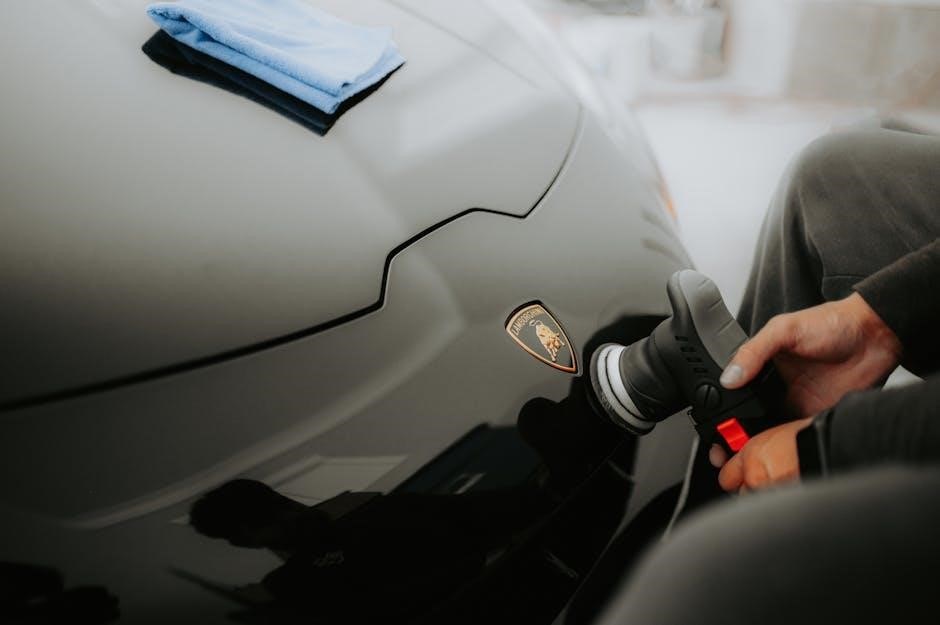
A detailed car detailing checklist PDF streamlines the process, ensuring no step is missed – from initial inspection and cleaning to protection and final touches.
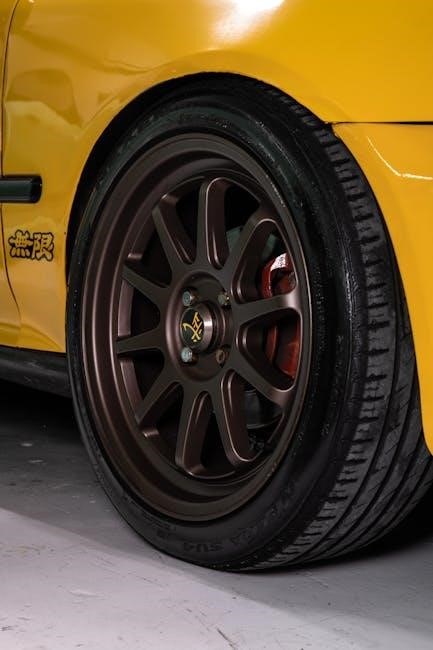
Car detailing checklists, particularly in PDF format, are invaluable tools for both amateur enthusiasts and professional detailers. They provide a systematic approach to vehicle cleaning, ensuring a thorough and consistent result every time. A well-structured checklist breaks down the detailing process into manageable steps, minimizing the risk of overlooking crucial areas like door jambs or interior surfaces.
These checklists aren’t just about cleanliness; they encompass paint correction, protection, and interior preservation. Utilizing a PDF allows for easy printing and portability, making it accessible during the detailing process. Furthermore, a customizable checklist can be tailored to specific vehicle needs and detailing preferences, maximizing efficiency and achieving optimal results.
II. Essential Tools & Products for Detailing
A comprehensive car detailing checklist PDF highlights the necessary tools and products. This includes microfiber towels – essential for streak-free cleaning – various brushes for interior crevices and wheels, and a quality vacuum with multiple attachments. Chemical products are equally crucial: pH-neutral car wash soap, clay bars for decontamination, wax or sealant for paint protection, and interior cleaners for different surfaces.
Specialized tools like polishing machines (for paint correction) and sprayers (for product application) elevate detailing. Don’t forget UV protectants for dashboards and fabric guards for carpets. Having a readily available list, often found within a detailing PDF, ensures preparedness and prevents mid-process interruptions.
III. Exterior Detailing ― Wash Phase
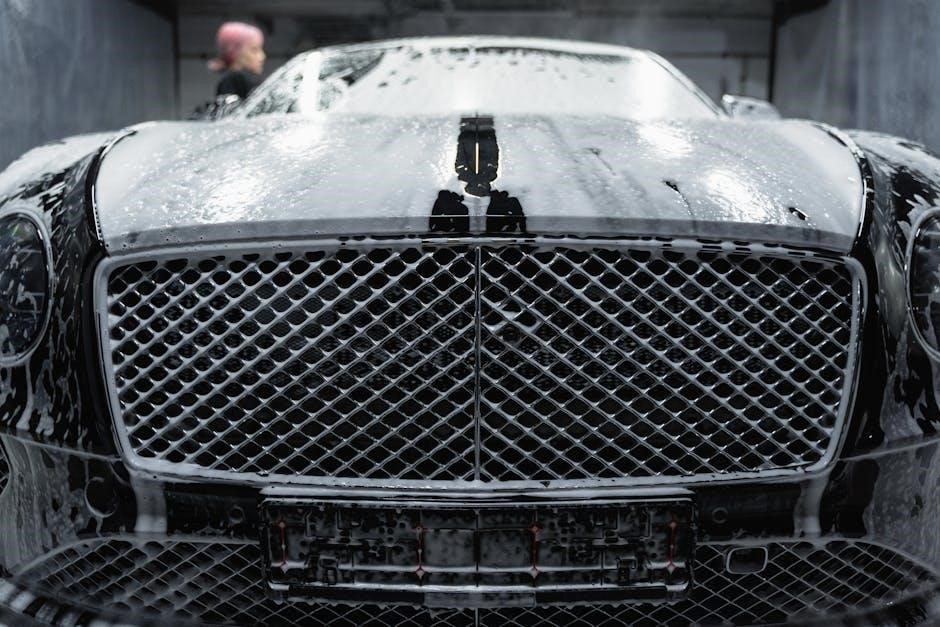
A car detailing checklist PDF emphasizes a thorough wash phase. Begin with a pre-wash rinse to loosen dirt, followed by bug removal – crucial for preventing paint damage. The two-bucket wash method, utilizing separate buckets for soap and rinse water, minimizes swirl marks. Dedicated wheel and tire cleaners are essential, as brake dust is corrosive.
The checklist will detail proper washing techniques, like top-to-bottom application and rinsing. Using a quality car wash soap is paramount. Remember to rinse thoroughly after each step. A well-structured PDF ensures a clean surface, preparing the vehicle for decontamination and subsequent detailing stages.
A. Pre-Wash Rinse & Bug Removal
A car detailing checklist PDF highlights the importance of a pre-wash rinse. This initial step removes loose dirt and debris, preventing scratches during the contact wash. Following the rinse, bug removal is critical; embedded insect remains can etch into the paint.
The checklist will specify using a dedicated bug remover, allowing it to dwell before gentle agitation. Avoid abrasive scrubbing. A thorough rinse after bug removal is essential. This phase prepares the surface for a safer, more effective wash, minimizing the risk of paint damage and ensuring optimal cleaning results.
B. Two-Bucket Wash Method
A car detailing checklist PDF emphasizes the two-bucket wash method as a cornerstone of safe washing. One bucket contains soapy water, while the other holds clean rinse water. This prevents reintroducing dirt and grime onto the paint.
The checklist details using separate wash mitts for upper and lower panels, further minimizing contamination. After each pass, the mitt is rinsed in the clean water bucket before reloading with soap. This simple technique drastically reduces swirl marks and scratches, preserving the paint’s integrity. Regular water changes in both buckets are also crucial.
C. Wheel & Tire Cleaning
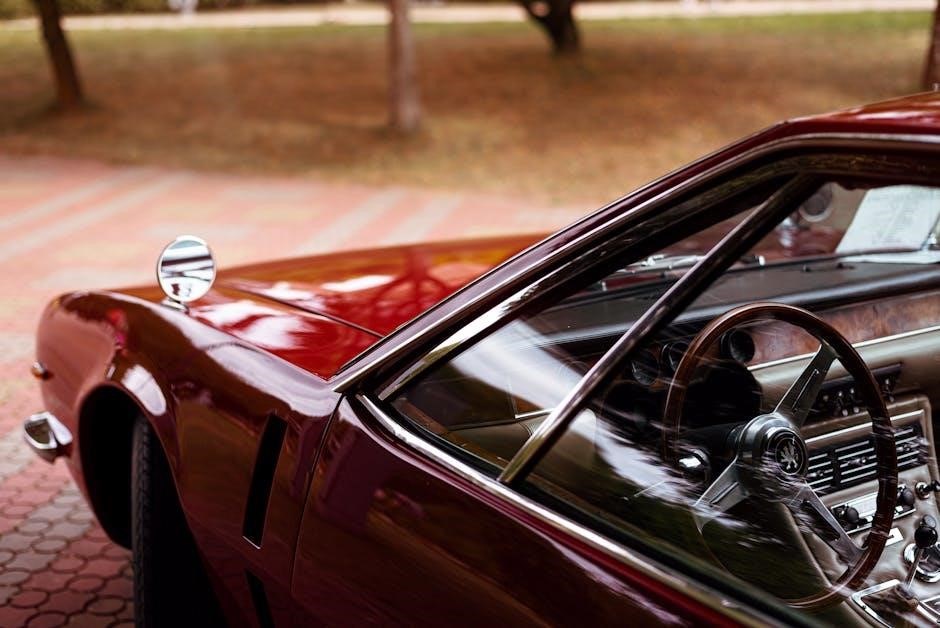
A comprehensive car detailing checklist PDF highlights wheel and tire cleaning as a separate, vital stage. Wheels accumulate brake dust and grime, which can damage paint if transferred. The checklist recommends using a dedicated wheel cleaner, appropriate for the wheel type (alloy, chrome, etc.).
It details using different brushes for tires and wheels, preventing cross-contamination. Tire brushes should agitate the sidewall, while wheel brushes reach intricate areas. Rinse thoroughly, and a detailing checklist PDF often suggests using a tire shine product to restore a deep black appearance and protect against UV damage.
IV. Exterior Detailing ― Decontamination Phase
A car detailing checklist PDF emphasizes decontamination as crucial for a flawless finish. This phase removes bonded contaminants invisible to the naked eye, preventing paint damage. The checklist details two key steps: clay bar treatment and iron decontamination.
Clay bars lift embedded particles, leaving the paint smooth. Iron decontamination sprays dissolve brake dust and industrial fallout. The PDF checklist advises lubricating the surface during claying to avoid scratching and rinsing thoroughly after each process. Proper decontamination maximizes the effectiveness of subsequent polishing and protection stages.
A. Clay Bar Treatment
A car detailing checklist PDF highlights clay bar treatment for removing bonded contaminants. This process utilizes a clay bar to lift embedded particles like industrial fallout, overspray, and tree sap, leaving the paint feeling smooth. The checklist stresses proper lubrication – using a detailing spray or clay lube is essential to prevent scratching.
The PDF details a specific technique: kneading the clay into a flat patty, gently gliding it across the paint in straight lines, and frequently folding the clay to expose a clean surface. Regular inspection of the clay reveals the amount of contamination removed. Rinse and dry the area after treatment.
B. Iron Decontamination
A comprehensive car detailing checklist PDF emphasizes iron decontamination as a crucial step. This process targets ferrous particles embedded in the paint, often appearing as tiny metallic specks. The checklist recommends using an iron remover – a chemical solution that reacts with iron, dissolving it for safe removal.
The PDF details application instructions: spraying the iron remover onto a cool surface, allowing it to dwell (typically 3-5 minutes), and then rinsing thoroughly. A color change – usually purple – indicates the product is working. Follow up with a wash to remove any remaining residue. This step prepares the paint for polishing.
V. Exterior Detailing, Paint Correction & Protection
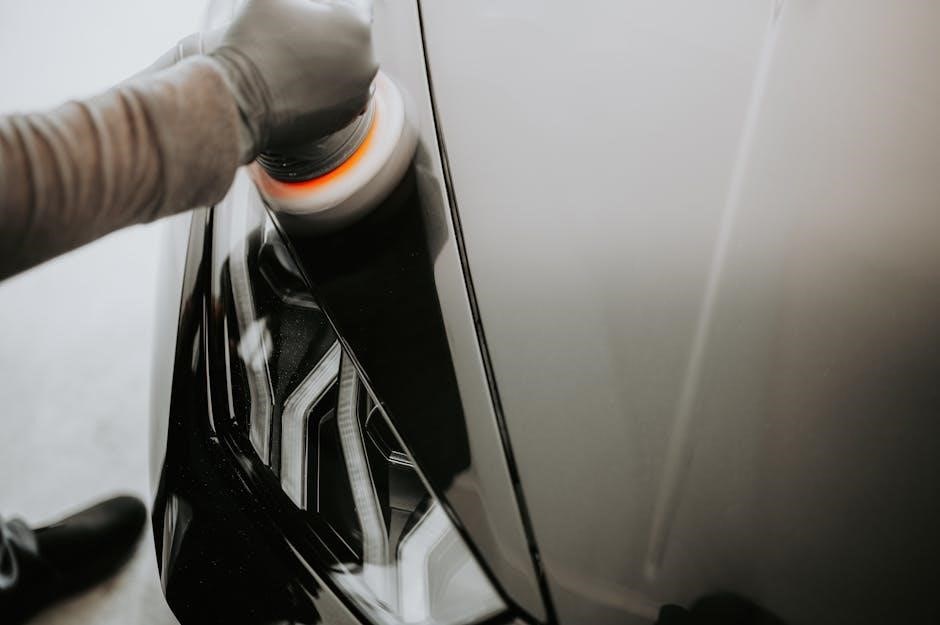
A car detailing checklist PDF highlights paint correction and protection as vital for restoring and maintaining a vehicle’s finish. The checklist details assessing paint condition – swirl marks, scratches, and oxidation – to determine if polishing is necessary. Polishing, if required, uses abrasive compounds to level the clear coat, removing imperfections.
Following correction, the PDF stresses protection. This involves applying a wax, sealant, or coating. Wax provides a warm glow and shorter-term protection, while sealants offer longer durability. Coatings provide the most robust and long-lasting protection against environmental elements.
A. Polishing (If Necessary)
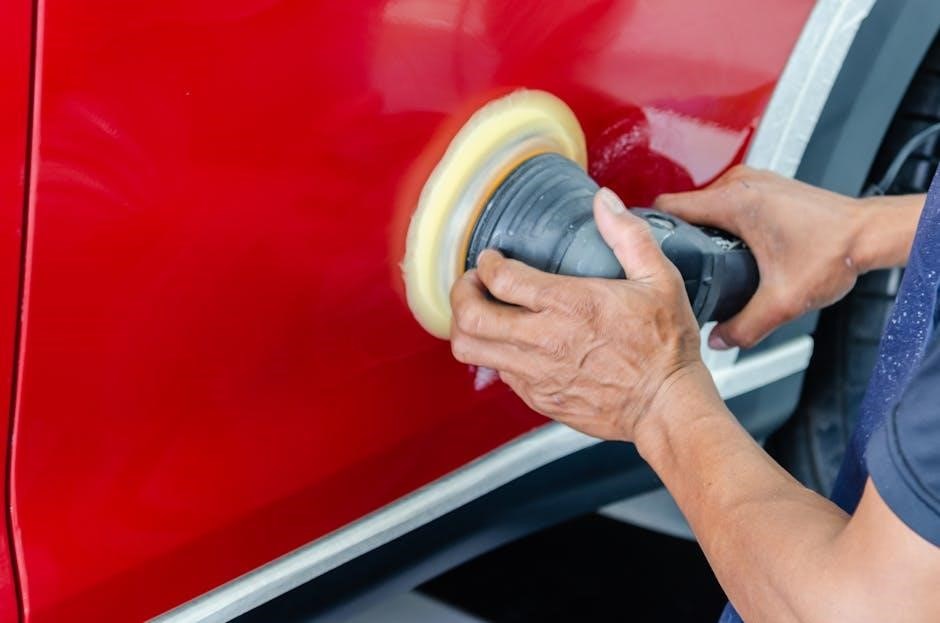
A comprehensive car detailing checklist PDF emphasizes polishing as a corrective step, not routine maintenance. It details assessing the paint for imperfections like swirl marks and scratches. The checklist guides selecting the appropriate polish and pad combination – from cutting compounds for severe defects to finishing polishes for gloss enhancement.
The PDF stresses test spots to evaluate polish effectiveness and prevent damage. Polishing is performed using a dual-action or rotary polisher, working in controlled passes. Multiple passes may be needed, gradually refining the finish. Wiping away polish residue reveals the corrected paint, ready for protection.
B. Waxing or Sealant Application
A car detailing checklist PDF highlights waxing or sealant as crucial for paint protection. It details the differences between waxes (natural, offering warmth and depth) and sealants (synthetic, providing longer durability). The checklist guides selecting a product based on desired longevity and aesthetic preference.
Application involves a thin, even coat using an applicator pad, following the product’s instructions. Allowing sufficient curing time is emphasized before buffing off with a clean microfiber towel. The PDF stresses proper buffing techniques to achieve a streak-free, high-gloss finish, safeguarding the paint from UV rays and environmental contaminants.
VI. Interior Detailing ― Initial Cleanup
A car detailing checklist PDF begins interior work with thorough cleanup. This phase prioritizes removing all personal items and floor mats for independent cleaning. The checklist emphasizes shaking out mats and brushing away loose debris before vacuuming. Detailed vacuuming, utilizing various attachments, targets all surfaces – seats, carpets, crevices, and the trunk.
The PDF notes inspecting for spills or stains, marking them for targeted treatment later. Removing trash and clutter is essential. It also highlights the importance of door jamb inspection, noting potential dirt buildup requiring separate attention. This initial step sets the stage for deeper cleaning and protection.
A. Removing Personal Belongings & Floor Mats
A car detailing checklist PDF’s first interior step: complete removal of all personal belongings. This includes everything – chargers, CDs, papers, and any items stored in compartments. Next, remove all floor mats, noting their material for appropriate cleaning later. The checklist stresses a thorough sweep to ensure nothing is left behind, hindering cleaning access.
Emptying the vehicle creates space and prevents accidental damage to items during the detailing process. This step is crucial for a comprehensive clean, allowing access to all interior surfaces. The PDF advises inspecting removed items for potential stains or damage needing attention.
B. Vacuuming Interior Surfaces
The car detailing checklist PDF emphasizes meticulous vacuuming as a core interior step. Utilize various attachments – crevice tools, brushes – to reach every nook and cranny. Focus on seats, carpets, under seats, and within consoles. The checklist highlights the importance of a powerful vacuum for effective dirt and debris removal.
Pay special attention to areas prone to accumulation, like along edges and in seams. A systematic approach – top to bottom, front to back – ensures complete coverage. The PDF recommends overlapping passes for optimal results, lifting and maneuvering seats where possible to access hidden areas.
VII. Interior Detailing ― Surface Cleaning & Protection
The car detailing checklist PDF details surface cleaning and protection as vital for longevity. Begin with dashboard and trim, using a dedicated cleaner and UV protectant to prevent fading and cracking. The checklist stresses gentle application and microfiber wiping. Next, address carpets and upholstery, tackling stains with appropriate cleaners and employing blotting techniques – never rubbing – to avoid damage.
Don’t overlook door jambs and sills, cleaning with an all-purpose cleaner. The PDF recommends a final protective layer for carpets, like 303 Fabric Guard, to repel future spills and stains, maintaining a pristine interior.
A. Dashboard & Trim Cleaning & UV Protection
The car detailing checklist PDF emphasizes protecting interior surfaces from damaging UV rays. Begin by thoroughly cleaning the dashboard and trim with a dedicated interior cleaner, removing dust and grime. Crucially, the checklist highlights the importance of UV protection. Apply a UV-blocking product to prevent fading, cracking, and discoloration caused by sun exposure.
The PDF recommends several applications, ensuring complete coverage. Use microfiber applicators for even distribution and wipe away excess product. Regular UV protection, as outlined in the checklist, significantly extends the life and appearance of your car’s interior.
B. Carpet & Upholstery Cleaning & Stain Removal
The car detailing checklist PDF details a systematic approach to carpet and upholstery care. Start by removing loose debris with a thorough vacuuming, utilizing various attachments to reach all areas. The checklist stresses proper stain removal techniques; identify the stain type and use an appropriate cleaner.
Avoid rubbing stains, as this can spread them and damage fibers – instead, blot gently. After cleaning, the PDF recommends allowing carpets and upholstery to dry completely, twisting and blotting to absorb excess moisture. Consider a carpet cleaner for stubborn stains, followed by a protective spray like 303 Fabric Guard.
C. Door Jambs & Sill Cleaning
The car detailing checklist PDF emphasizes often-overlooked areas like door jambs and sills. Begin with a thorough inspection to assess the level of dirt and grime buildup. The checklist recommends using a microfiber towel and an all-purpose cleaner (APC), diluted to a quick detailer (QD) strength for lighter cleaning, or full strength for heavier grime.
For hard-to-reach areas behind hinges, the PDF suggests “needling” the microfiber towel to effectively capture dirt. Pay attention to detail, ensuring all surfaces are clean and free of residue. A clean door jamb significantly enhances the overall appearance of the vehicle, demonstrating attention to detail.
VIII. Window & Mirror Cleaning (Interior & Exterior)
The car detailing checklist PDF highlights the importance of streak-free windows and mirrors. Avoid spraying cleaner directly onto the glass; instead, always apply it to a clean microfiber towel. For interior glass, work in the opposite direction of the exterior to easily identify any missed spots.
Use a light mist of cleaner on the microfiber to prevent excessive runoff and streaking. A “reachy-wand” tool is recommended for hard-to-reach rear windows. Remember to clean both interior and exterior surfaces for optimal clarity and visibility, ensuring a pristine finish.
IX. Final Inspection & Touch-Ups
The car detailing checklist PDF emphasizes a thorough final inspection. Step back and examine the vehicle under various lighting conditions to identify any remaining imperfections. Spot clean any overlooked areas – bird droppings, water spots, or dust particles.
Pay attention to door jambs and trim, ensuring they are clean and protected. A quick wipe-down with a quick detailer can enhance gloss and remove any lingering fingerprints. This final stage ensures a professional-grade finish, confirming all detailing efforts have yielded a flawless result.
X. Creating Your Own Customizable Checklist (PDF Format)
A car detailing checklist PDF should be adaptable to individual needs. Utilize software to create a personalized document, incorporating specific vehicle requirements and preferred products. Categorize tasks – exterior, interior, engine bay – for organized detailing.
Include space for notes regarding product usage, problem areas, and completion dates; Save the checklist as a PDF for easy printing and portability. Regularly update the checklist based on detailing experiences, ensuring it remains a valuable and efficient tool for maintaining your vehicle’s pristine condition.
XI. Detailing Frequency Recommendations
Detailing frequency depends on driving conditions and personal preference. A basic wash and vacuum should occur every two weeks to remove surface dirt. A full detail – including clay bar treatment, polishing, and waxing – is recommended every 6-12 months.
Vehicles exposed to harsh elements (sun, salt, road grime) require more frequent attention. Interior cleaning, focusing on carpets and upholstery, should be done quarterly or as needed. Regular use of a detailing checklist PDF helps track maintenance and ensures consistent care, preserving your vehicle’s appearance and value.
XII. Safety Precautions During Detailing
Prioritize safety when detailing your vehicle. Always work in a well-ventilated area, especially when using chemicals. Wear gloves and eye protection to prevent skin and eye irritation. Read and follow product instructions carefully, noting hazard warnings.
Avoid detailing in direct sunlight, as products can dry too quickly and cause streaking. Dispose of used chemicals responsibly, following local regulations. Be mindful of electrical components when using water. A detailing checklist PDF can include safety reminders, ensuring a secure and effective detailing process.
XIII. Troubleshooting Common Detailing Issues
Encountering problems is common during detailing. Streaking after waxing often indicates insufficient product removal or application to a warm surface. Water spots can be addressed with a drying aid or spot treatment. Swirl marks may require polishing with a finer compound.
A car detailing checklist PDF can incorporate a troubleshooting section. Stubborn stains on upholstery might need a dedicated stain remover. Holograms from polishing necessitate a different polishing technique. Always test products in an inconspicuous area first. Addressing these issues promptly maintains a professional finish.
XIV. Advanced Detailing Techniques (Optional)
For enthusiasts, advanced techniques elevate detailing. Paint correction involving multiple polishing stages refines paint to a mirror finish. Ceramic coatings offer long-lasting protection and hydrophobicity. Engine bay detailing requires specialized cleaners and careful masking.
A comprehensive car detailing checklist PDF can include optional advanced steps. Glass polishing removes minor scratches and improves clarity. Leather conditioning revitalizes and protects leather surfaces. These techniques demand skill and patience, but yield exceptional results. Consider professional training before attempting complex procedures.
XV. Product Recommendations & Reviews
Selecting quality products is crucial for effective detailing. Microfiber towels from The Rag Company are highly rated for their softness and absorbency. Chemical Guys offers a wide range of cleaners, waxes, and sealants. Meguiar’s is known for user-friendly products and excellent results.
A car detailing checklist PDF should ideally include a section for preferred products. Griot’s Garage provides professional-grade detailing solutions. Read online reviews and compare products before purchasing. Consider your vehicle’s specific needs when choosing cleaners and protectants. Experiment to find what works best!
XVI. Maintaining a Detailed Detailing Log
A car detailing checklist PDF is a great start, but a detailing log takes it further. Record each detailing session’s date, products used, and specific issues addressed. Note paint correction levels, sealant types, and interior treatments. This log helps track product performance and identify recurring problems.
Documenting your process allows for consistent results and informed product choices. A simple spreadsheet or dedicated app works well. Refer back to previous logs when creating your personalized car detailing checklist PDF for optimal efficiency and a consistently pristine vehicle.
XVII. Resources for Further Learning
Beyond a car detailing checklist PDF, continuous learning elevates your skills. Explore online forums like DetailZone and Reddit’s r/autodetailing for expert advice and product discussions. YouTube channels such as Chemical Guys and AMMOnyc offer detailed tutorials on techniques and product applications.
Consider professional detailing courses for in-depth training. Websites like Autogeek provide articles and resources. Utilize manufacturer websites for product-specific guidance. Regularly updating your knowledge, alongside your car detailing checklist PDF, ensures you’re employing the latest and most effective methods.
XVIII. Printable Car Detailing Checklist PDF Template
A readily available, printable car detailing checklist PDF is invaluable for organized detailing sessions. Numerous free templates are accessible online, offering varying levels of detail – from basic wash lists to comprehensive guides. Customize these templates to suit your vehicle’s specific needs and preferred products.
Consider creating your own checklist PDF based on your detailing routine. Ensure it includes sections for exterior wash, decontamination, paint correction, interior cleaning, and final inspection. A well-structured car detailing checklist PDF promotes efficiency and helps guarantee a professional-quality finish every time.